.png)


No Entry! Between Nigeria’s No-Nonsense Immigration Rules and Popular Content Creator Mohamet Mbaye
- frankachiedu
- Dec 17, 2025
- 2 min read

Nigeria has made it clear: no valid visa, no entry, no exceptions. In 2025, the Federal Government, led by the Minister of Interior, introduced sweeping immigration reforms that replaced the old visa-on-arrival system with a fully digitised e-visa and pre-arrival landing/exit card process.
Under these new rules, airlines are barred from transporting passengers without approved Nigerian visas, and sanctions await carriers that flout the law. The aim, according to officials, is to strengthen border security, modernise processes, and uphold national sovereignty.
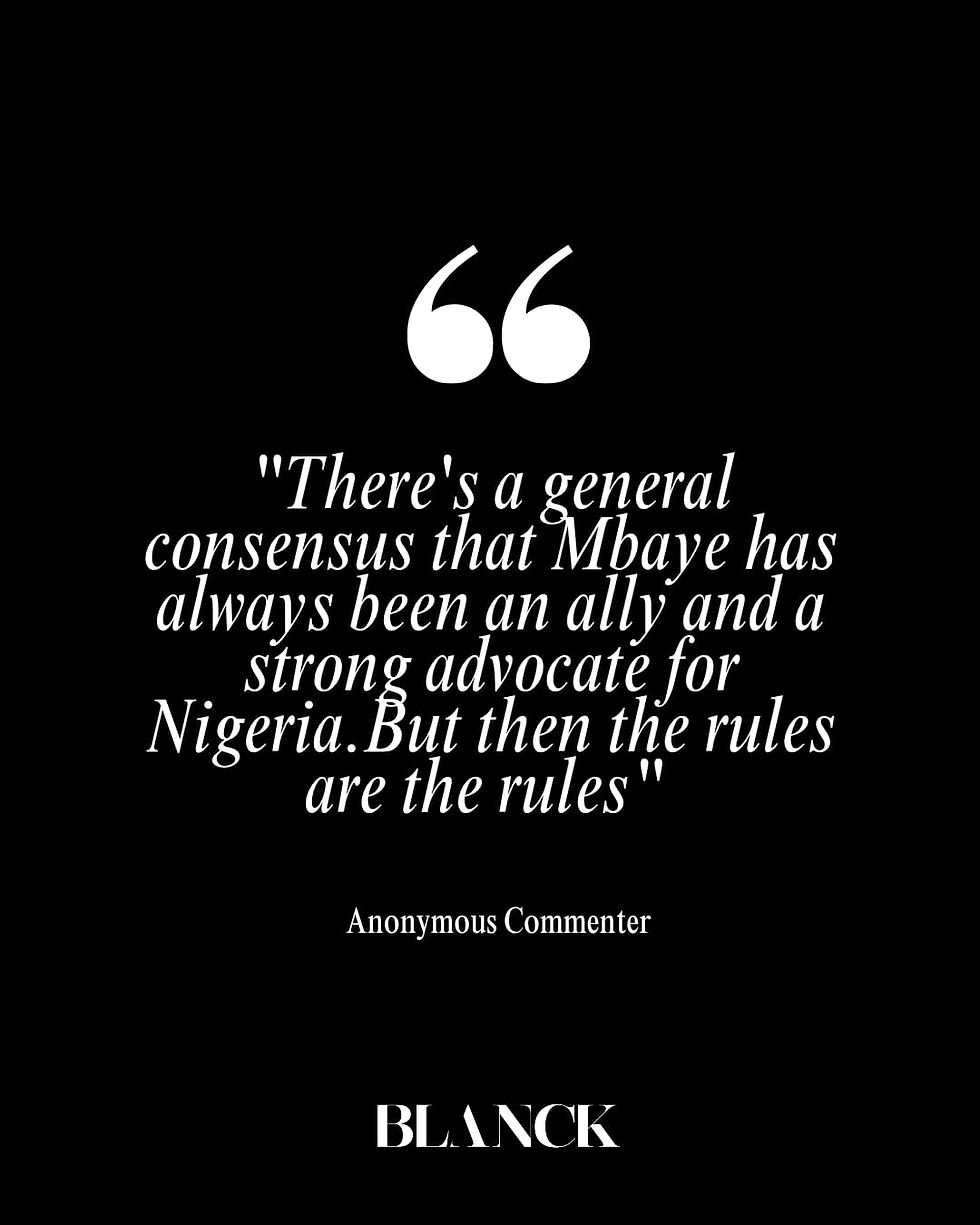
On paper, reforming immigration makes sense. Every sovereign nation has the right, and duty, to control who enters its borders. With an automated e-visa platform, integrated with global security databases, Nigeria’s vision is for a system that is efficient, secure, and predictable.

But the real world, as travellers and observers have discovered, doesn’t always match the ideal. Technical glitches, opaque communication, and rigid enforcement have left many foreigners, and Nigerians abroad, frustrated and excluded.
Enter Mohamet “Swaggy Mo” Mbaye, a popular Gambian-American content creator whose recent denial of entry and subsequent deportation from Nigeria highlights the human cost of a policy rollout gone awry.

Mbaye arrived expecting a warm welcome to attend a friend’s wedding, assured that his visa arrangements were in order. Instead, he found himself caught in a digital limbo: airline staff flagged visa issues before departure, systems at the airport were reportedly inaccessible, and processing wasn’t completed in time.
Once on the ground, confusion gave way to mistreatment, hours without clear information, no basic assistance, and a swift decision to send him home, all before he even had the chance to set foot in the country.
His response was visceral: heartbreak and disappointment not simply from being refused entry, but from how he was treated. Mbaye openly questioned whether dignity and respect have a place in immigration enforcement, a message that resonates well beyond his 1.2 million+ follower platforms.
Now ask yourself: does strict enforcement have to mean strict dehumanisation?
We can acknowledge Nigeria’s legitimate security concerns, undocumented overstays, system abuse, and porous borders have long been challenges, and still insist that policy implementation must be humane, transparent, and consistent. A receptor nation doesn’t lose control by communicating clearly or ensuring travellers are treated with respect; rather, it earns goodwill and strengthens its global reputation.
The Mbaye episode is more than a celebrity gripe. It’s a mirror reflecting broader issues:
A digital-first visa system that’s only as strong as its infrastructure and customer support.
Border agents operating under policies that may not yet be fully operational or understood.
A perception gap, between how Nigeria wants to be seen globally versus how travellers experience its systems.
If Nigeria wants to be a preferred destination for tourism, business, and diaspora return, the entry experience matters. It shapes narratives about the country, sometimes more than its culture, heritage, or entrepreneurial promise ever could.
Rigid rules are neither inherently good nor bad, they’re tools. But when a rule alienates instead of protects, when it humiliates instead of educates, then it’s time not just for enforcement, but for empathy.
And that, ultimately, should be the true measure of success for any immigration regime.


Comments