


The Shape Of things to Come: The Lagos Fashion Week 2026 Edit.


Volume 01 — A New Fashion Vocabulary
A season of creative audacity, cultural expression and evolving identities. As Lagos Fashion Week 2026 draws to a close, BLANCK Magazine takes a closer look at the designers, collections and conversations shaping the future of African fashion. This is the first instalment of our ongoing editorial review, bringing together runway imagery, exclusive interviews, backstage moments and the stories behind the clothes.
There is something unmistakably compelling about fashion in Africa right now. Not simply because the world is watching, but because an industry that has spent decades negotiating its place within the global fashion conversation is increasingly defining that place on its own terms.
Across the continent, a new creative confidence is taking shape. Designers are interrogating tradition, challenging established notions of luxury, experimenting with form and fabrication, and building fashion businesses that speak to both local realities and international aspirations. The conversations are becoming more nuanced, the ambitions more expansive, and the clothes, perhaps most importantly, are telling stories that extend far beyond the runway.
Nowhere is this creative momentum more palpable than in Lagos.
For years, Lagos has occupied a distinctive position within Africa's fashion landscape: a city where style is as much a cultural language as it is a form of personal expression. Here, fashion exists in the everyday theatre of the streets, in the exuberance of social gatherings, in the work of independent ateliers and in the constantly evolving relationship between heritage and modernity.
At Lagos Fashion Week 2026, that relationship took on new dimensions.
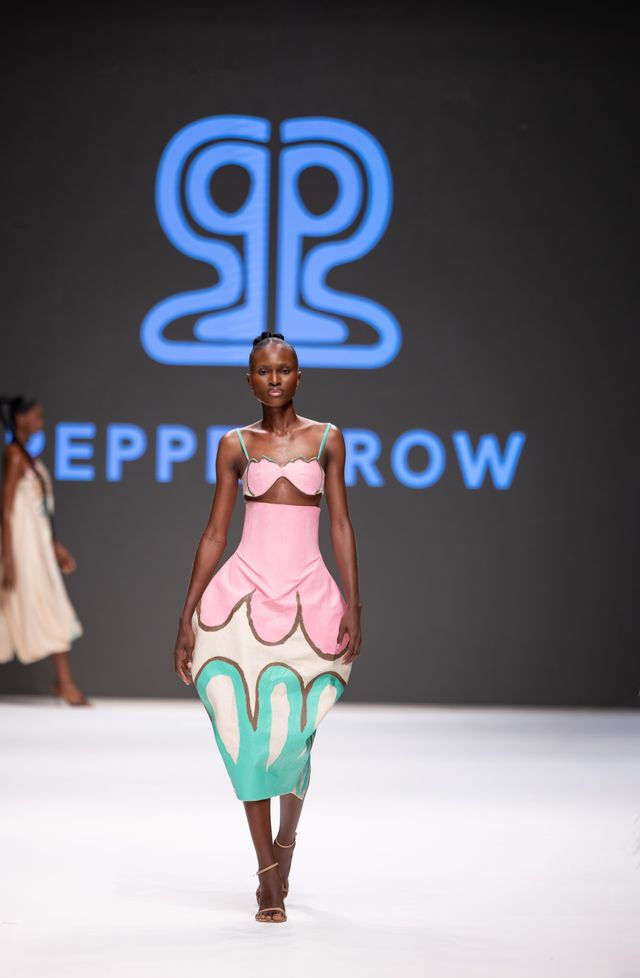
There was a palpable sense of experimentation across the presentations. Silhouettes were reconsidered, familiar fabrics were given unexpected treatments, and designers approached the body with varying degrees of restraint, fluidity and architectural precision. Some collections leaned into the theatrical, embracing fashion as spectacle. Others offered quieter, more contemplative interpretations of contemporary dressing, where craftsmanship, proportion and detail carried the narrative.
Together, they reflected an industry that is not moving in one direction, but several.

Beyond the Runway: An Industry Coming Into Its Own
To speak of African fashion as an emerging industry is, in some respects, to overlook the depth of its history. The continent has long possessed sophisticated textile traditions, exceptional craftsmanship and distinctive sartorial identities. What is emerging more visibly today is the infrastructure, international recognition and commercial ambition surrounding its contemporary fashion ecosystem. And yet, visibility should not be mistaken for maturity.
For all the creative brilliance on display, the African fashion industry continues to contend with fundamental questions of scale, manufacturing, distribution, investment and sustainability. The challenge is no longer simply to produce collections that command attention, but to build businesses capable of sustaining that attention long after the runway lights have dimmed. It is an important distinction, particularly at a time when African designers are increasingly featured in international publications, stocked by global retailers and embraced by a growing diaspora audience.
The appetite for African fashion is evident. The more consequential question is whether the structures supporting that appetite are developing at the same pace as the creativity itself.
Lagos Fashion Week occupies an important position within this conversation. Beyond the spectacle of the shows, it provides a platform through which designers, buyers, editors, photographers, stylists and other industry players can engage with the work being produced across the continent.
Its significance lies not only in the collections presented, but in the possibilities those collections represent.
The Vision Behind the Platform
Behind the spectacle of Lagos Fashion Week is the enduring vision of its founder and convener, Omoyemi Akerele, whose commitment to developing Africa's fashion ecosystem has helped position the event as one of the continent's most influential industry platforms.
Through Lagos Fashion Week, Akerele has consistently championed an approach to fashion that extends beyond the runway, placing equal emphasis on sustainability, talent development, commercial opportunities and the infrastructure required to build a globally competitive African fashion industry.
Her work reflects an understanding that creative excellence alone is not enough. For African fashion to realise its full potential, designers must have access to the networks, investment, knowledge and opportunities that enable their businesses to thrive.

This year's edition also welcomed Imran Amed, founder and CEO of The Business of Fashion (BoF), whose presence underscored the growing relevance of Lagos within the international fashion conversation. His attendance was particularly significant at a time when African fashion is increasingly being considered not simply through the lens of cultural expression, but as an industry with serious commercial potential and an important role to play in shaping the future of global fashion.
Yet, beyond the international attention, the real measure of Lagos Fashion Week's success will ultimately lie in its ability to translate visibility into lasting opportunities for the designers it champions. And perhaps that is where Akerele's vision remains most compelling: in recognising that the future of African fashion will be determined not only by the brilliance of its creative talent, but by the strength of the ecosystem built around it.


A Season of Contrasts, Character and Creative Conviction
If there was one defining characteristic of the collections we encountered this season, it was their refusal to be confined to a singular aesthetic. The diversity of approaches offered a compelling portrait of contemporary African design: assured, experimental, occasionally extravagant and increasingly comfortable with contradiction. At Orange Culture, fashion continued to serve as a vehicle for conversations around identity and self-expression, while Christie Brown explored a sophisticated vocabulary of structure, texture and contemporary femininity. There was a particular appeal in the interplay of architectural silhouettes and softer, fluid forms, where tailoring and movement existed in deliberate conversation.
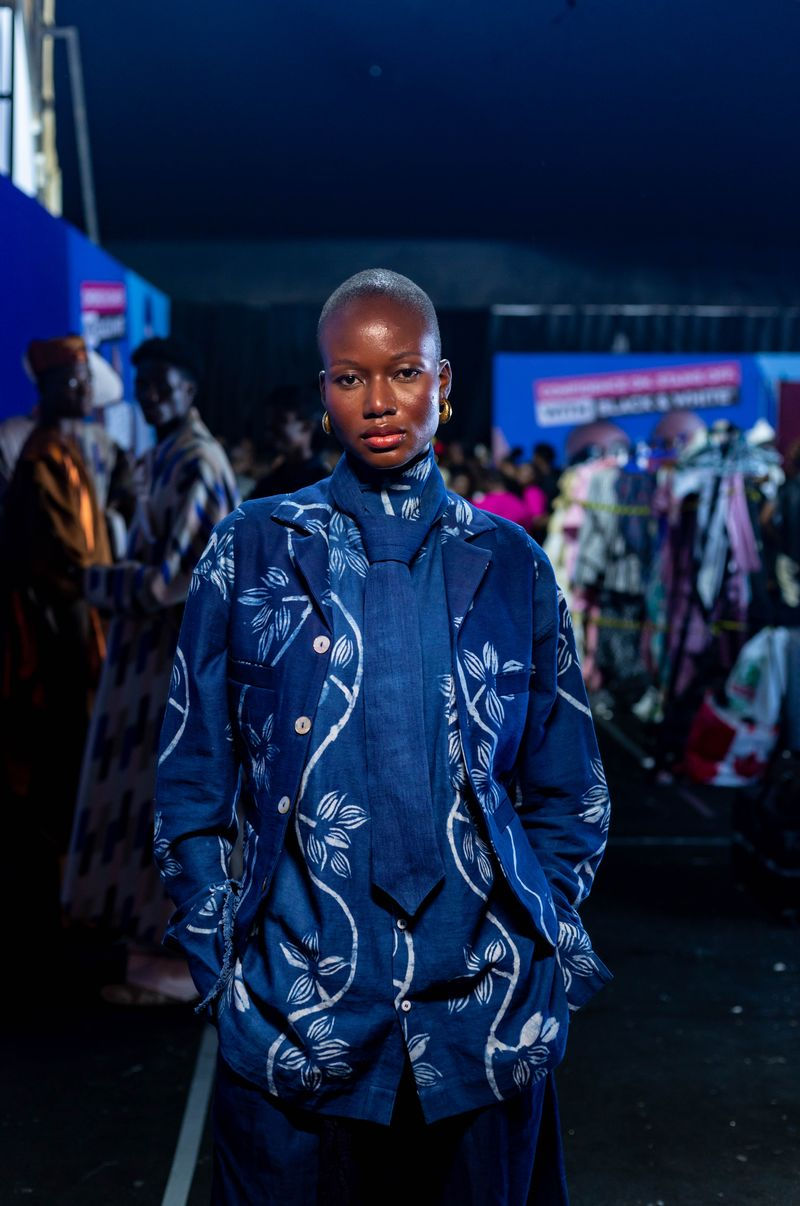
Elsewhere, Nkwo reinforced the creative possibilities of textile reinvention, with deconstructed denim demonstrating how material experimentation can become both an aesthetic proposition and a statement about responsible design.
The work of Imad Eduso offered another perspective on contemporary femininity, while Hertunba contributed to the broader conversation around individuality, construction and the evolving language of African womenswear. Then there were the moments that reminded us that fashion is also performance.
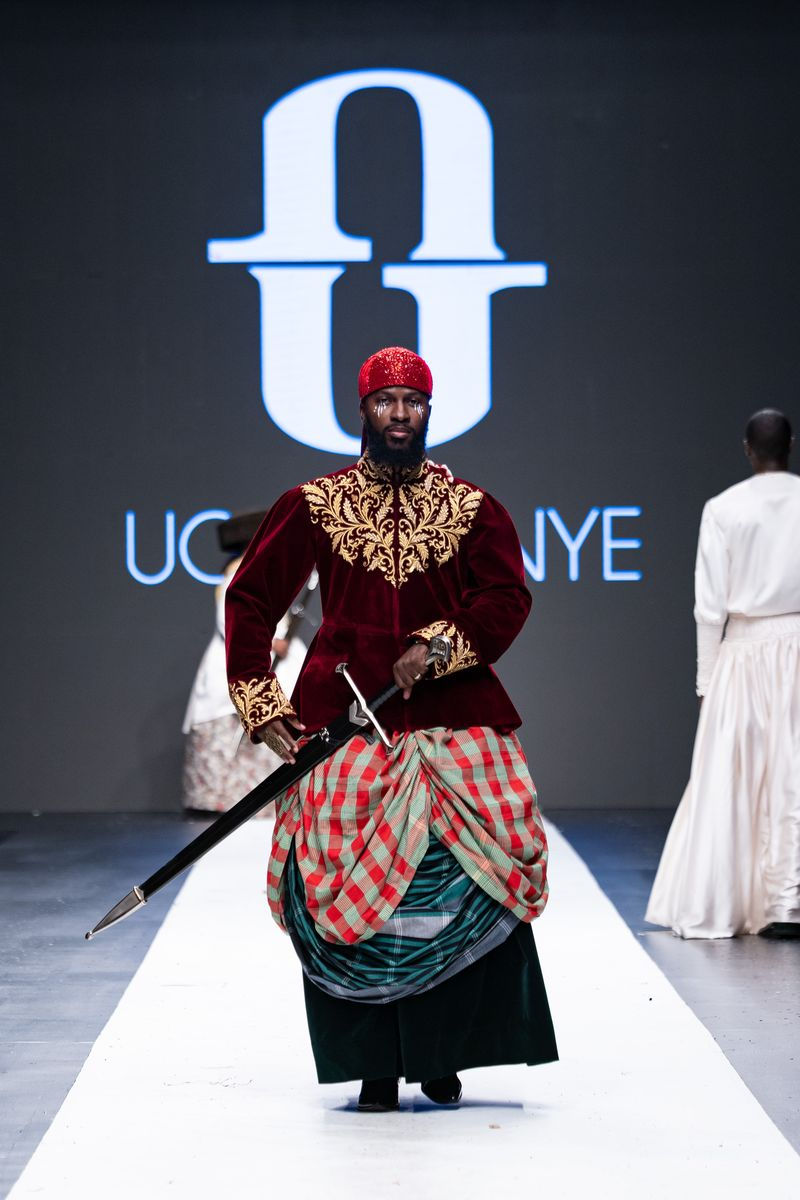
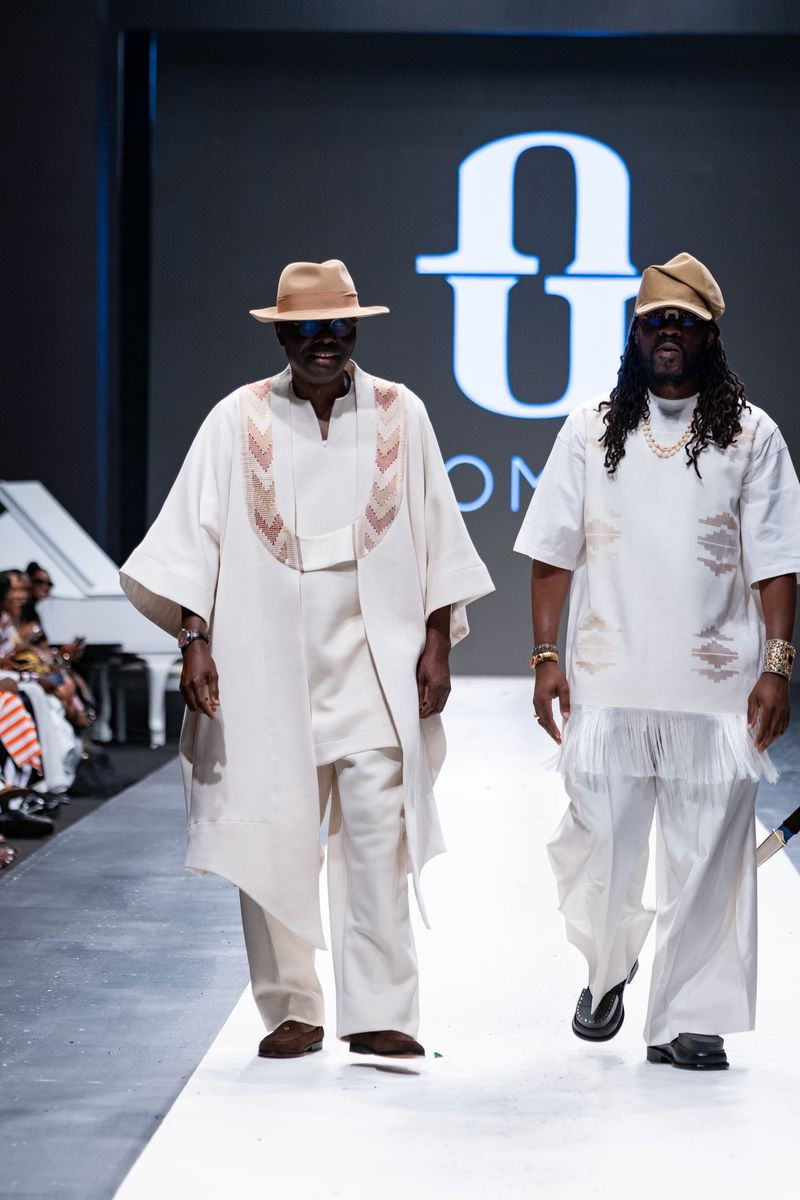
Ugo Monye brought a heightened sense of theatre to the runway, turning the presentation into an event that extended beyond the clothes themselves. The appearance of Lagos State Governor Babajide Sanwo-Olu on the runway, alongside other notable figures, underscored fashion's increasingly visible relationship with celebrity, cultural influence and public life.
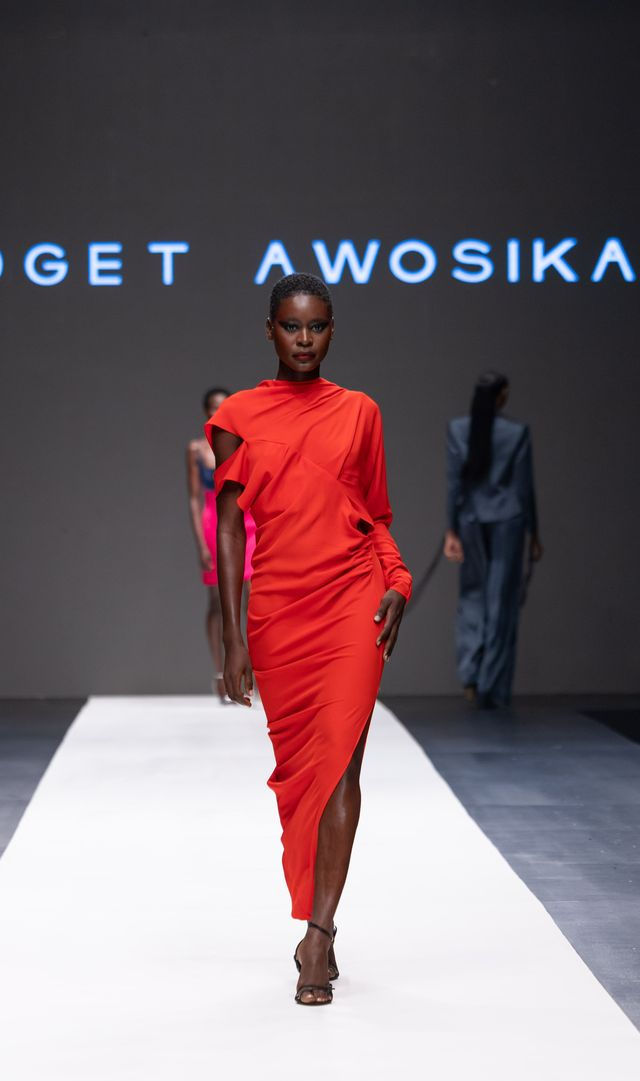
Meanwhile, the return of Bridget Awosika to the runway after a prolonged absence offered a different kind of moment: one of anticipation, continuity and the enduring relevance of designers who have helped shape the contemporary Nigerian fashion landscape.
These were not necessarily collections united by a common design philosophy. Their significance lay precisely in their differences.
Some designers appeared intent on challenging the boundaries of conventional dressing. Others demonstrated a renewed commitment to wearability, refinement and the commercial realities of luxury fashion. Across the spectrum, there was a sense that African fashion is becoming less preoccupied with explaining itself and more interested in exploring what it can become.
The Question of Identity
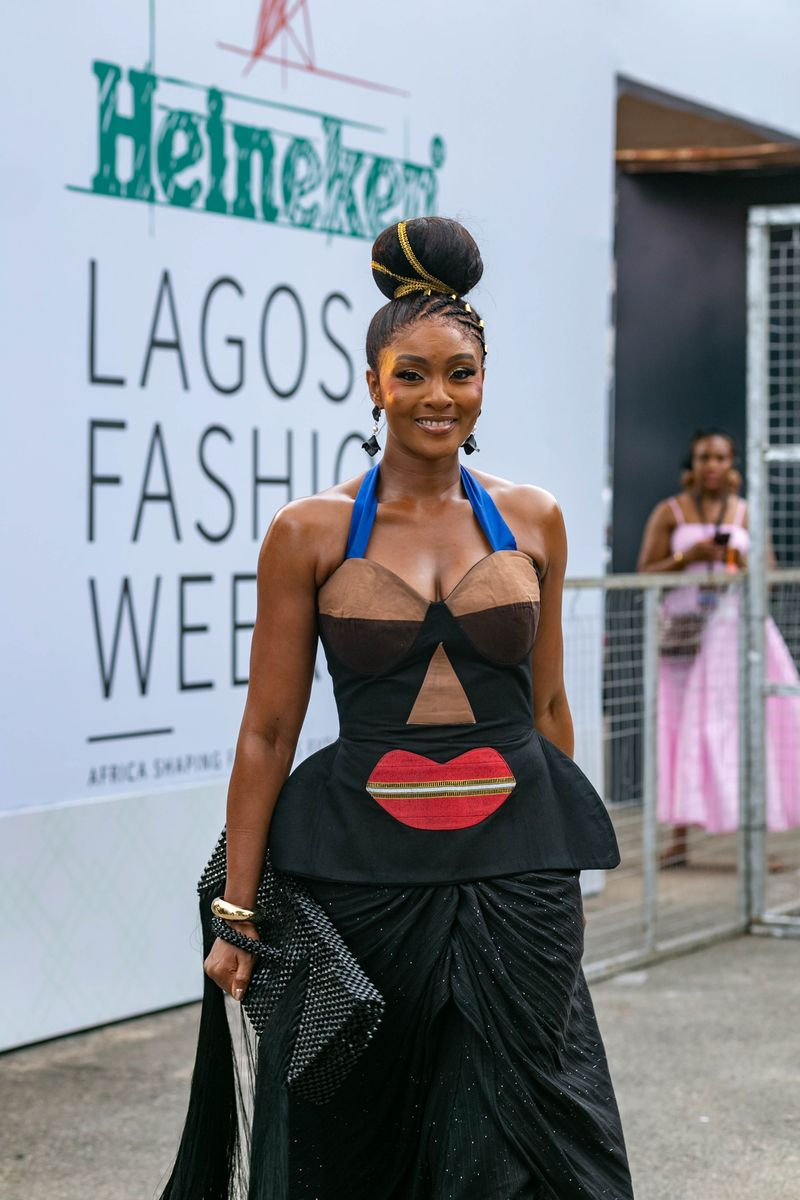
For a long time, the international conversation surrounding African fashion has been dominated by a familiar set of visual references: vibrant prints, traditional textiles, elaborate embellishment and overt expressions of cultural heritage.
While these elements remain important parts of the continent's sartorial history, they have never represented its entirety. What makes the current generation of African designers particularly interesting is their willingness to expand that vocabulary. African fashion need not always announce its origins through recognisable motifs or traditional fabrications. Sometimes its identity is found in the philosophy behind a collection, the techniques employed in its construction, the social realities it interrogates or the perspective of the person creating it.
A sharply tailored jacket, an unconventional drape or an experimental textile can be as much an expression of African creativity as a garment rooted in traditional craftsmanship.
This widening of the conversation is essential. Because the future of African fashion cannot depend solely on how successfully it communicates cultural authenticity to an international audience. It must also allow designers the freedom to be conceptual, minimal, avant-garde, commercial, romantic or entirely unpredictable without the burden of constantly proving their Africanness. That freedom may be one of the most meaningful indicators of an industry finding its confidence.


The BLANCK Perspective: Looking Beyond the Clothes
At BLANCK, we have always believed that fashion is most interesting when considered within the wider context of culture, identity and the people who shape it.
Our coverage of Lagos Fashion Week 2026 has therefore been about more than documenting what appeared on the runway.
Through conversations with designers, encounters with industry personalities, collection reviews and the visual narratives captured throughout the week, we have sought to understand the thinking behind the clothes and the creative forces influencing the industry's direction.
Who is the contemporary African designer creating for? How are established labels evolving their design identities? What does luxury mean in a market where craftsmanship and aspiration coexist with economic pressures? And how do emerging designers distinguish themselves in an increasingly crowded creative landscape?
These are some of the questions that continue to inform our editorial perspective.
This first volume of The Shape of Things to Come brings together a selection of the designers, collections and personalities we have featured so far. It is a visual and editorial reflection on the season, combining runway stills, moving images, exclusive interviews and our observations of the collections that caught our attention.
It is not intended as an exhaustive account of everything that happened at Lagos Fashion Week. Rather, it is the beginning of a wider examination of the ideas, aesthetics and personalities shaping the continent's evolving fashion landscape.
The Shape of Things to Come
Fashion weeks are, by their nature, fleeting. Collections are presented, photographs circulate, conversations begin, and almost as quickly, the industry turns its attention to the next season.
But the most interesting fashion moments are rarely confined to the few minutes a collection spends on the runway. They linger in the questions they provoke, the ideas they introduce and the possibilities they open up. Lagos Fashion Week 2026 offered plenty to consider. It revealed an industry rich in creative ambition, increasingly diverse in its aesthetic expressions and determined to participate in the global fashion conversation without surrendering its individuality.
There is still much work to be done, particularly in building the commercial and institutional foundations required to sustain this momentum. But if the collections we encountered this season are any indication, the creative imagination is certainly not in short supply. Perhaps that is what makes this moment so compelling. African fashion is not waiting to be discovered. It is actively imagining, constructing and redefining its own future.And we are watching that future take shape, one collection at a time.
This is Volume 01 of The Shape of Things to Come: The Lagos Fashion Week 2026 Edit.
Stay with BLANCK Magazine as we continue the series, bringing you more runway reviews, exclusive designer conversations, backstage perspectives and the collections that deserve a closer look.
The runway may have closed. The conversation is only just beginning.
Comments