.png)


What Happened to Fashion Model,Divyanshu Joshi?
- frankachiedu
- 24 hours ago
- 3 min read

A Fashion Industry Tragedy Raising Serious Questions About Safety on Set.

The death of 26-year-old model Divyanshu Joshi is a tragedy that has sent shockwaves through the fashion industry, but it is also forcing a difficult conversation about a subject many creatives know all too well: safety on set.
Joshi, a Delhi-based model and former retail manager for fashion label Kartik Research, drowned while in Kerala ahead of a planned advertising campaign. According to reports, the team had travelled to Pettamala Quarry, a location known for its dramatic natural beauty but also for its dangerous conditions. The abandoned quarry, which was reportedly shut down decades ago following multiple fatalities, contains deep pools of water that have earned a reputation among locals as "death traps" due to their depth, low temperatures and dense aquatic vegetation.
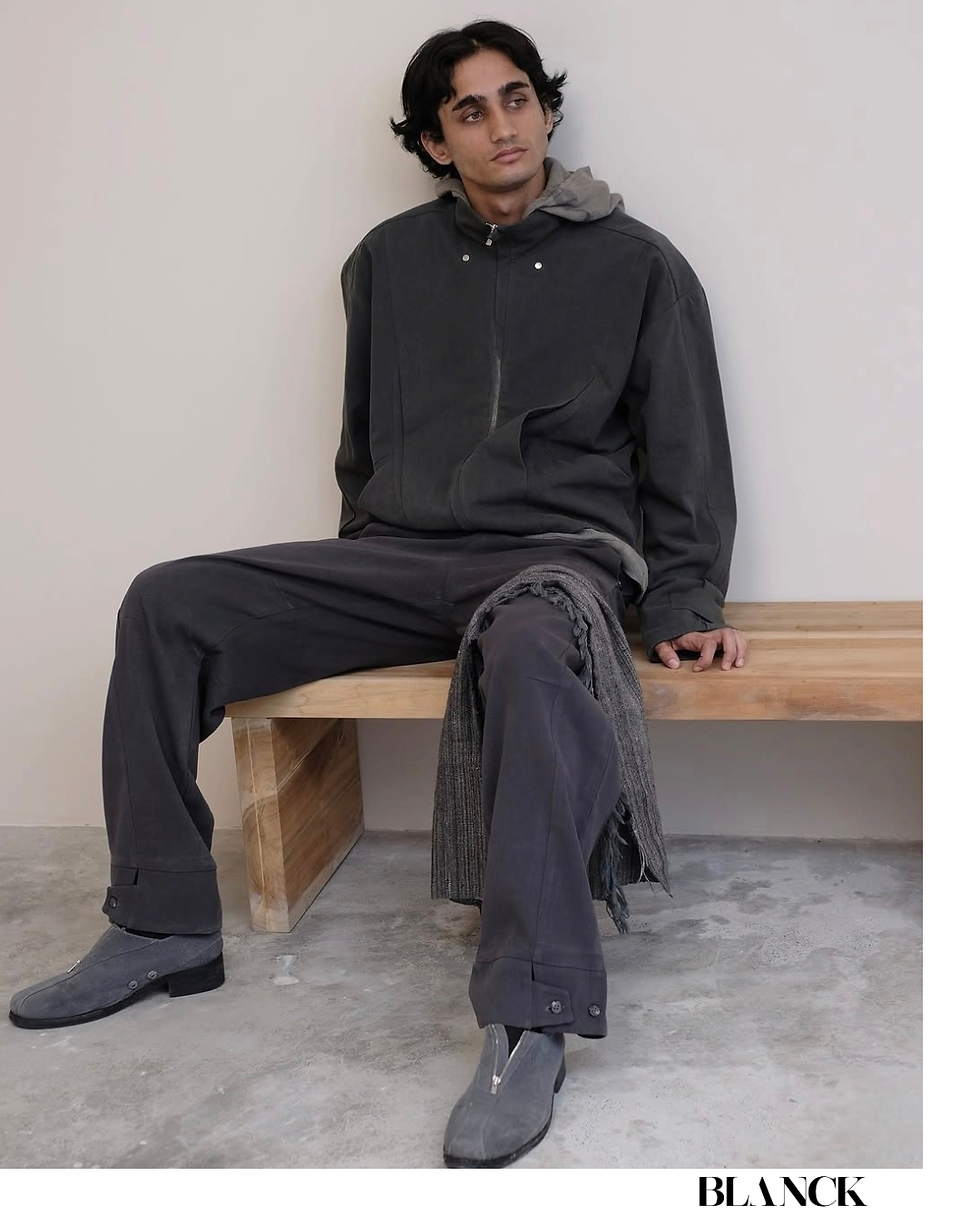
Reports suggest the team was scouting the location before a scheduled shoot when Joshi entered the water. Accounts of exactly what happened vary, but it is believed that after initially getting out, he re-entered the water and slipped from a shallow edge into a deep section of the quarry. Video footage reportedly shows the young model struggling to stay afloat before drowning. Questions have also emerged over whether the production had obtained the necessary permissions to shoot at the location, with several reports indicating that no formal authorisation had been secured.

In a statement issued following the incident, Kartik Research sought to clarify some of the details circulating online, stating that Joshi was in Kerala as part of a seasonal photoshoot and was not participating in any swimming-related activity as part of the production. Nevertheless, the tragedy has reignited concerns about safety standards within fashion and creative industries.
For many who work behind the scenes, the circumstances surrounding Joshi's death feel painfully familiar. Fashion has long romanticised risk in pursuit of the perfect image. Abandoned factories become backdrops. Clifftops become runways. Remote quarries become editorial locations. The more dramatic the scenery, the more compelling the final photograph. Yet what audiences rarely see are the hazards that often accompany these environments.
Particularly among smaller independent brands and productions operating with limited budgets, formal risk assessments, safety briefings and emergency planning can sometimes take a back seat to creative ambition. Teams are often under pressure to deliver striking visuals within tight financial and time constraints. In these situations, safety can become an afterthought rather than a priority.
Models, especially younger talent, may also feel unable to voice concerns. In an industry built on reputation and relationships, many fear being labelled difficult, uncooperative or unprofessional if they question a location, a creative concept or a potentially unsafe situation. The pressure to please can create an environment where personal wellbeing is quietly sacrificed for the sake of opportunity.

The death of Divyanshu Joshi is first and foremost a devastating loss of a young life. But it is also a reminder that behind every campaign, editorial spread and social media image are real people whose safety should never be secondary to creativity. No photograph, no fashion campaign and no viral moment is worth a life.
As tributes continue to pour in for the young model, the industry must confront uncomfortable questions about accountability, risk management and the culture that often encourages people to prioritise the shot over their own wellbeing. Creativity and safety should never be competing priorities. The most beautiful image in the world is not worth the cost of a human life.



Comments